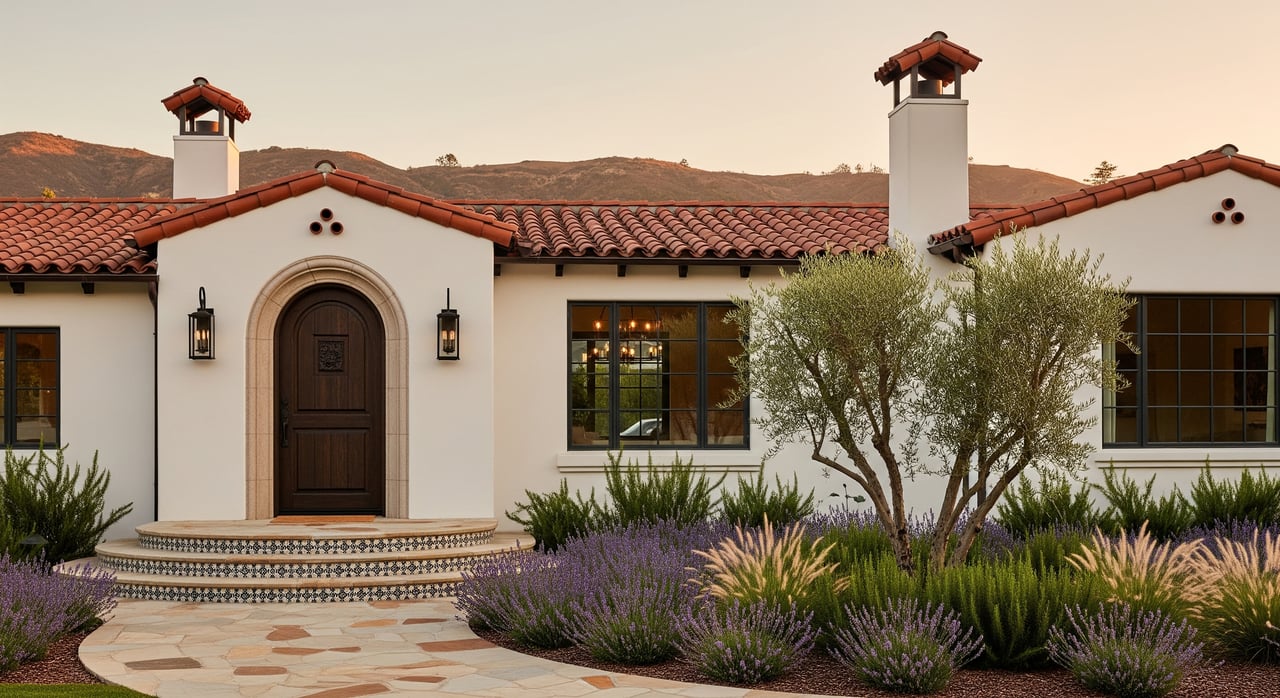
Thinking about updating a Spanish Revival in Los Feliz but worried about losing its soul? You are not alone. These homes shine when you respect their character while bringing the systems and layout up to modern standards. In this guide, you will learn what to preserve, where to invest first, how Los Angeles permits and historic rules work, and how to avoid costly mistakes. Let’s dive in.
What makes a Los Feliz Spanish Revival
Spanish Revival homes from the 1920s and 1930s have distinct details worth protecting. These elements shape curb appeal and resale.
- Clay barrel roof tiles with low-slope or gabled profiles and exposed rafter tails.
- Stucco exteriors built with traditional three-coat stucco over wood lath.
- Wood casement or double-hung windows, often with divided lights.
- Arched doorways, arcades, colorful decorative tile, and wrought ironwork.
- Interior lath-and-plaster walls, original hardwood floors, and built-ins.
Preserving these features while upgrading systems is the sweet spot for value and long-term durability.
Where vintage homes typically need work
Roofing and moisture defense
Roof issues cause many of the worst deterioration problems. Expect cracked or mismatched clay tiles, aging underlayment, and past patch jobs. Use roofers familiar with historic clay tile systems, keep tiles for salvage when possible, and replace underlayment with breathable products and proper flashings. If considering heavier concrete tiles, confirm framing capacity first.
Electrical and plumbing
Many homes still have older panels, limited amperage, or legacy knob-and-tube and cloth-insulated wiring. Upgrades to 100 to 200 amps, proper grounding, and new circuits for kitchens and HVAC are common. On the plumbing side, plan to replace galvanized or early copper supply lines and evaluate cast-iron or clay sewer laterals. Update failing fixtures while keeping or matching period-appropriate designs when feasible.
HVAC comfort and efficiency
Homes of this era were not built for central air. Ductless mini-split heat pumps or small-duct solutions can minimize invasive work and protect plaster and trim. If you choose conventional ducted systems, plan routes carefully to reduce demolition and preserve original interiors.
Seismic and structural safety
In Los Angeles, seismic retrofits are a smart first step. Typical work includes foundation bolting, cripple wall bracing, anchor straps, and addressing chimneys or masonry hazards. Many retrofits occur in crawlspaces or interiors, so you can often boost safety with minimal exterior impact.
Interior finishes and pests
Lath-and-plaster can crack and is challenging to patch without skilled trades. Termites and wood-damaging organisms are common in the region. Budget for targeted plaster repair and a thorough termite inspection with remediation if needed.
Renovation priorities that protect value
Safety and envelope: roof and flashing integrity, moisture control, termite and rot remediation, and seismic bracing.
Building systems: upgraded electrical service and wiring, plumbing replacements, and HVAC solutions.
Exterior preservation: correct stucco repair, window and door restoration, and clay tile conservation.
Kitchens and baths: remodels that respect original proportions and details.
Finishes and landscape: paint, lighting, hardware, and curb appeal.
This sequence reduces the risk of rework and preserves historic fabric while boosting buyer confidence.
Kitchens and baths with character
You can have modern function and still feel true to the era. Keep or replicate room proportions instead of removing walls that define the original flow. When you replace materials, use period-compatible finishes like encaustic or glazed tile, painted wood cabinets with traditional profiles, and brass or bronze hardware. Plan for upgraded plumbing and electrical to power modern appliances and fixtures without compromising historic details.
Stucco, windows, and exterior details
Traditional stucco should be repaired in kind with compatible materials and textures. Avoid synthetic stucco systems that can trap moisture. For windows, repairing wood sash, improving weatherstripping, or using more efficient glazing in existing frames preserves character. Replacement windows can harm authenticity and may face restrictions in historic districts. Restore decorative tile, ironwork, and carved wood whenever possible.
Permits, HPOZ, and historic incentives
In Los Feliz, first determine whether your home is a City-designated Historic-Cultural Monument or inside a Historic Preservation Overlay Zone. If it is, exterior work visible from the street typically requires review under the area’s preservation plan. Interior upgrades and non-visible system work often do not require HPOZ approval, yet still need permits.
- Los Angeles Department of Building and Safety issues permits for structural, electrical, plumbing, roofing, and mechanical work. Unpermitted work can complicate resale.
- The Office of Historic Resources oversees HPOZ review and guidance. Start discussions early to align design choices with local standards.
- The California Historical Building Code offers alternative compliance paths for qualified historic buildings, which can help retain original materials while meeting safety goals.
- Mills Act contracts may reduce property taxes for designated historic properties that commit to approved maintenance under a preservation plan.
Expect additional time for review and plan check, and factor this into your schedule.
Build the right team
Spanish Revival projects benefit from specialists who understand historic assemblies and finishes.
- Historic preservation consultant or architectural historian for HPOZ and Mills Act guidance.
- Licensed structural engineer with seismic retrofit experience.
- Electrician and plumber used to working in historic homes and concealing new runs.
- Clay tile roofer skilled in salvage and proper underlayments.
- Window restoration specialist for sash, glazing, and weatherstripping.
- Plaster and stucco craftsmen familiar with traditional three-coat systems.
- A general contractor with a track record managing historic renovations and coordinating reviews and permits.
Budgeting and timelines
- Seek multiple, detailed bids. Pricing varies widely based on historic experience and scope clarity.
- Expect higher costs for preservation-minded work due to skilled labor, material matching, and salvage.
- Add time for historic review, sourcing tiles or period fixtures, and surprises like concealed wiring or rot.
- If selling soon, prioritize envelope and systems. If staying long-term, invest in authentic restoration.
Common pitfalls to avoid
- Swapping original clay tile for heavier or mismatched products without verifying framing capacity.
- Applying synthetic stucco over traditional assemblies and trapping moisture.
- Replacing original windows with vinyl units that diminish character and may conflict with local review standards.
- Demolishing interiors before addressing structure, moisture, and systems.
- Skipping permits, which can lead to issues in escrow and with lenders.
- Hiring pros without historic experience, which can damage original materials.
A buyer or seller game plan
If you are buying:
- Order inspections that include roof, foundation, chimney, systems, and a separate termite report.
- Confirm historic status and past permits, and identify any unpermitted work.
- Price and timeline your seismic, roof, and systems upgrades before planning cosmetic changes.
If you are selling:
- Address roof leaks, moisture, and seismic basics to reassure buyers and appraisers.
- Tidy exterior stucco and restore windows and doors where practical.
- Preserve and highlight original tile, ironwork, and wood details to stand out in the market.
Ready to plan your remodel?
A thoughtful approach will protect your home’s character and improve livability, while keeping you aligned with Los Angeles rules. If you want a renovation roadmap that supports both lifestyle and resale, let’s talk through your priorities, timing, and team. Schedule a Private Consultation with Adam Dehrey to get a tailored plan for your Los Feliz Spanish Revival.
FAQs
What should I renovate first in a Los Feliz Spanish Revival?
- Start with roof and moisture control, seismic retrofits, and termite remediation, then upgrade electrical, plumbing, and HVAC before kitchens, baths, and finishes.
Do I need HPOZ approval for exterior changes in Los Feliz?
- If your home is within an HPOZ, exterior work visible from the street typically requires review under the area’s preservation plan before permits are issued.
Can I replace original wood windows to improve efficiency?
- Consider repairing sash, adding weatherstripping, and using efficient glazing in existing frames first; replacement can harm character and may face restrictions.
Is synthetic stucco a good idea on a historic home?
- It is generally discouraged because it can trap moisture; traditional three-coat stucco repairs with compatible materials are preferred.
What HVAC options minimize damage to historic interiors?
- Ductless mini-split heat pumps or small-duct systems reduce invasive duct runs and help preserve plaster and wood details.
How do seismic retrofits affect the look of my home?
- Many retrofits occur in crawlspaces or interiors, so you can improve safety with little to no visual impact on the exterior.
What are the benefits of the Mills Act for a historic property?
- Mills Act contracts can provide property tax relief in exchange for maintaining the home under an approved preservation plan, subject to eligibility and application.